

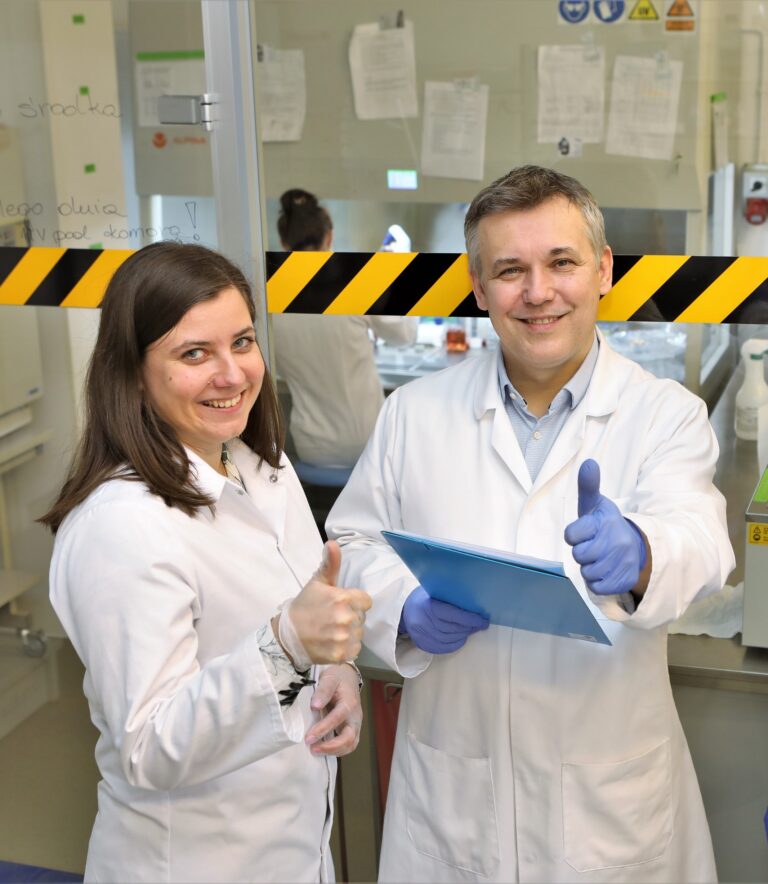
POLBIONICA is a Polish company developing solutions in the field of 3D bioprinting and regenerative medicine. Honored in the innovation catalog of the We Did It In Poland campaign, today it is the winner of the XXVI edition of the “Polish Product of the Future” competition. The competition is organized by the Polish Agency for Enterprise Development under the auspices of the Ministry of Funds and Regional Policy and the Ministry of Development and Technology.
What does POLBIONICA do?
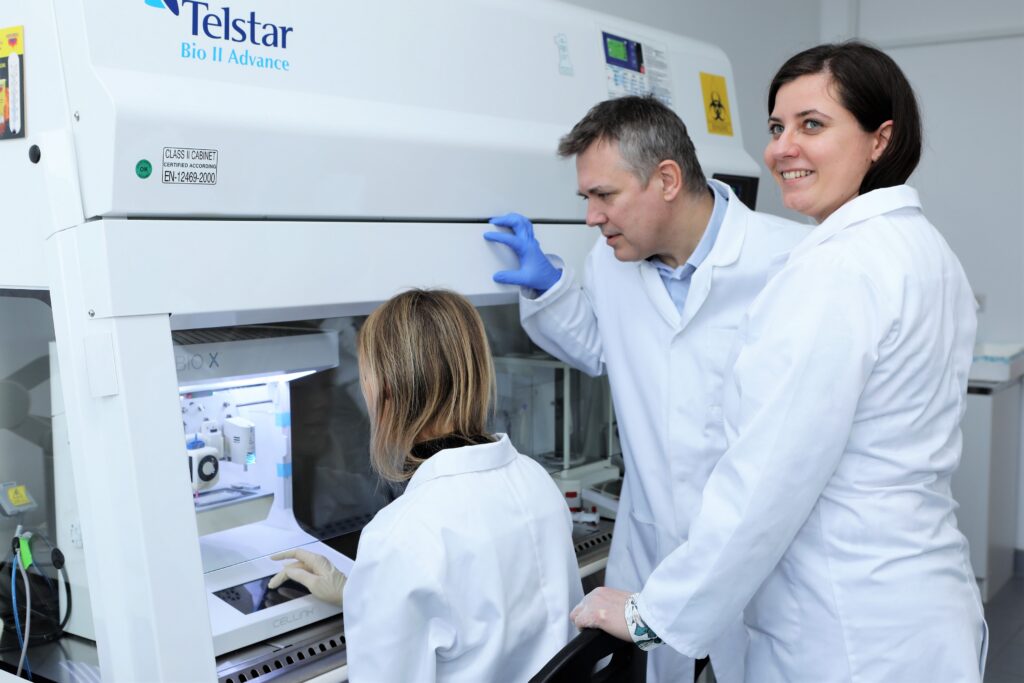
POLBIONICA combines science and technology to develop bionic organ and tissue models and tools to accelerate research toward regenerative medicine. The core of the company’s business is advanced 3D bioprinting – including work on the bionic pancreas as a potential breakthrough for patients with chronic diseases.
The company is also developing proprietary material and technology solutions to support bioprinting (including biotin) and laboratory work on tissue and organ models.
Bionic pancreas (cATMP®) – what is the innovation?
The Bionic Pancreas (cATMP®) is a fully functional, bioprinted (3D printing) organ with a vascular system, created using advanced biomaterials and living cells. The project is designed to address the need for an alternative treatment for type 1 diabetes and to support patients with chronic pancreatitis.
The key point is that the bionic pancreas:
- produces insulin and glucagon, the hormones needed to regulate sugar metabolism,
- has a bioprinted vascular system to ensure organ perfusion and integration into the patient’s circulatory system.
From a medical perspective, it holds the promise of changing the quality of life. The goal is an approach that can reduce the need for daily insulin therapy in the future and reduce the risk of complications, returning patients to a more “normal” functioning.
An innovation we can be proud of
Bionic pancreas is, in practice, a functional pancreatic tissue with the necessary vascularization that secretes key hormones that regulate glycemia – primarily insulin, but also glucagon.
This solution measures up to several real barriers of the current treatment of type 1 diabetes and severe pancreatic diseases.
Today, many patients function in a mode of constant “external control” of the body – with pumps, pens, sensors, dose calculations and the risk of errors. The bionic pancreas has the potential to shift the focus from day-to-day disease management to more physiological, automatic glycemic regulation. This could limit sugar spikes and reduce the risk of dangerous hypo- and hyperglycemic episodes.
In the case of transplantation and cell therapies, one of the biggest obstacles is that cells, in order to function, must be provided with “living conditions” – oxygen, nutrients and the ability to exchange metabolic products. This is why vascularization is so important. The concept of a bionic pancreas involves solving this fundamental problem: building a functional tissue together with a vascular network that allows it to survive and work in the body.